Accounts of Jesus’ Death vs. Forensic Reconstruction: A Comparative Inquiry
Introduction
The final moments of Jesus of Nazareth, culminating in his crucifixion, stand as a pivotal narrative within Western civilization
This pivotal narrative has been re-examined and interpreted countless times throughout history, sparking debates about its historical accuracy and theological implications. Some Christian denominations emphasize different aspects of Jesus’ final hours, including his observance of the Sabbath. For a deeper understanding of this perspective, one might explore the concept of “Sabbath Jesus.”
. The accounts of Jesus’ death, primarily documented in the four canonical Gospels—Matthew, Mark, Luke, and John—form the theological bedrock of Christianity, offering profound insights into sacrifice, redemption, and divine purpose. These narratives, rich in detail and theological implication, are testimonies shaped by faith and intended to inspire belief. Contrasting sharply with this framework is the concept of forensic reconstruction of ancient deaths, an interdisciplinary scientific endeavor that seeks to ascertain the cause, manner, and circumstances of demise through empirical evidence, such as skeletal remains, archaeological context, and scientific dating methods. This article embarks on a deeply analytical comparison of these two distinct approaches to understanding historical mortality.
The purpose of this comparison is not to validate or invalidate either perspective, but to illuminate the fundamental epistemological differences in how human knowledge and understanding are constructed. On one hand, we have divinely inspired texts interpreted through millennia of theological discourse; on the other, the rigorous application of scientific principles striving for objective, reproducible findings. This dichotomy underscores a broader tension in human inquiry: the quest for meaning through faith versus the pursuit of verifiable facts through empirical observation. Modern scholarship, encompassing historical criticism, archaeology, and advancements in forensic anthropology, increasingly grapples with how these seemingly disparate methodologies can inform, or diverge from, each other when examining ancient events. Understanding the distinct lenses through which these “deaths” are viewed is crucial for appreciating the nuanced ways history, faith, and science intersect.
Narrative Tapestries and Empirical Scrutiny: Disparate Epistemologies
The foundational difference between the canonical accounts of Jesus’ death and forensic reconstruction lies in their epistemological underpinnings—how each system claims to know and validate truth. The Gospel narratives are primarily theological testimonies, crafted by authors who, directly or indirectly, bore witness to the events or relied on oral tradition shaped by a nascent faith community. Their intent was not merely to record historical facts in a modern journalistic sense, but to convey the profound theological significance of Jesus’ life, death, and resurrection. For instance, John’s Gospel emphasizes Jesus’ divine authority and control even in his passion, framing his death as a voluntary ascent to glory. Matthew highlights fulfillment of prophecy, while Mark focuses on the suffering servant, and Luke on Jesus’ innocence and compassion. These are not dispassionate reports but carefully constructed narratives infused with theological meaning and spiritual intent.
In stark contrast, forensic reconstruction operates within the scientific paradigm, demanding empirical, verifiable evidence. Its epistemology is rooted in observable phenomena, testable hypotheses, and objective analysis. When a forensic anthropologist examines ancient human remains, they seek physical markers: trauma patterns on bones, evidence of disease, signs of nutritional deficiencies, or indicators of specific causes of death like blunt force trauma or sharp weapon injuries. The objective is to reconstruct the “facts” of the death—the individual’s age, sex, stature, health status, and critically, how they died—based on material evidence. This approach is inherently mechanistic, seeking to explain phenomena through natural laws and observable effects.
“The Gospels provide a ‘why’ steeped in transcendent purpose, while forensic science endeavors to delineate a ‘how’ grounded in material reality. These are fundamentally different questions asked of the past, employing fundamentally different means of knowing.”
Consider the very nature of evidence: Gospel accounts rely on eyewitness testimony (albeit mediated and interpreted), oral tradition, and textual transmission. The validity of these accounts is often assessed through historical-critical methods, source criticism, and theological coherence. Forensic science, however, relies on primary physical evidence—the bones, the soil, the artifacts—which are then subjected to laboratory analysis (e.g., radiocarbon dating, stable isotope analysis, DNA sequencing) and comparative anatomical studies. The credibility of forensic findings rests on the replicability of methods, the rigor of analysis, and adherence to scientific principles, often undergoing peer review to ensure validity. The divergence here is absolute: one builds understanding from interpreted testimony and belief, the other from measurable, physical remnants of existence.
The Echoes of Antiquity: Textual Chronologies Versus Material Timelines
Understanding the “when” of Jesus’ death and other ancient mortalities diverges significantly between textual accounts and forensic methodologies. The New Testament Gospels offer a chronological framework for the passion week, placing the crucifixion on a specific day relative to the Jewish Passover, though precise calendrical synchronization with Roman dating systems has been a subject of scholarly debate for centuries. For example, the Synoptic Gospels (Matthew, Mark, Luke) suggest the Last Supper was a Passover meal, implying Jesus was crucified on Nisan 15, while John’s Gospel places the Last Supper before Passover, indicating crucifixion on Nisan 14. These textual chronologies, while offering a sequence of events, are embedded within the narrative flow and serve to emphasize theological points, such as Jesus as the Passover lamb. Their precision, from a modern historical perspective, is often subject to interpretation and reconciliation.
Forensic reconstruction, by contrast, establishes timelines through empirical dating techniques. When skeletal remains are discovered, archaeologists and forensic scientists employ methods such as radiocarbon dating of organic materials (bones, textiles) to determine an absolute chronological range. Stratigraphy, the study of layers in archaeological sites, provides relative dating, indicating which artifacts or burials are older or newer than others. Dendrochronology (tree-ring dating) can date wooden artifacts with remarkable precision. These methods provide objective, measurable timelines, free from narrative interpretation or theological intent, based on quantifiable decay rates or geological processes.
Furthermore, forensic science considers the taphonomic processes—the post-mortem changes that affect a body and its burial environment. This includes decomposition rates, bone weathering, and interaction with soil chemistry and animal activity. Understanding taphonomy helps to reconstruct the sequence of events after death, such as how long a body lay exposed before burial, or if it was disturbed. These material timelines offer a starkly different kind of “chronology” than the Gospel narratives, which focus more on the events leading up to and immediately following the death, particularly the theological narrative of resurrection, rather than the physical decomposition process.
The temporal specificity in the accounts of Jesus’ death is crucial for its theological narrative—the death occurred at a specific time, on a specific day, fulfilling specific prophecies. For forensic analysis, precise dating down to the day or hour might be elusive without highly specific contextual evidence, but the broader chronological placement within archaeological periods is often robustly established, allowing for reconstruction of cultural practices surrounding death and burial. These different approaches to time reflect the inherent aims of each discipline: theological fulfillment versus scientific accuracy in material dating.
Anatomy of Suffering: The Passion Narratives and Pathological Investigations
The most emotionally resonant aspect of the accounts of Jesus’ death is undoubtedly the detailed description of his suffering, or Passion. The Gospels vividly portray the scourging, the crown of thorns, the carrying of the cross, and the ultimate crucifixion. Mark, for example, describes Jesus being mocked, flogged, and then nailed to the cross, dying after six hours. John recounts the soldiers breaking the legs of the other crucified men but finding Jesus already dead, a soldier piercing his side with a spear, from which “blood and water” flowed (John 19:34). These details are not merely descriptive; they carry immense theological weight, fulfilling Old Testament prophecies and emphasizing the physical reality of Jesus’ sacrifice. The accounts provide rich, if sometimes varying, details regarding the specific injuries and the physical ordeal.
In a modern forensic investigation, the “anatomy of suffering” would be approached from a purely pathological perspective. Without a body, a full forensic autopsy is impossible for Jesus’ death. However, if remains were available, a forensic pathologist would meticulously examine them for evidence of trauma. A scourging would leave tell-tale marks on ribs or vertebrae if severe enough to break skin and muscle repeatedly. The crown of thorns might leave superficial cranial injuries or puncture wounds. Crucifixion, as a method of execution, would leave distinctive skeletal trauma:
* Perforations in carpal bones (wrists) or metacarpals (hands): Indicating nail penetration.
* Damage to tarsal bones (ankles) or metatarsals (feet): For nailing feet.
* Stress fractures or damage to long bones: From prolonged suspension and struggle.
* Vertebral compression fractures: From bearing the weight of the cross.
* Signs of asphyxiation: Which is often considered the primary cause of death in crucifixion due to the inability to lift oneself for breath.
The “blood and water” mentioned in John’s account has been interpreted by some medical professionals as evidence of pleural effusion or pericardial effusion, where fluid accumulates around the lungs or heart, potentially due to severe trauma, heart failure, or hypovolemic shock resulting from extreme blood loss and fluid depletion. While fascinating, such retrospective diagnoses are speculative without direct medical evidence.
“Where the Gospel narratives emphasize the agony and meaning of physical suffering, often using poetic and symbolic language, a pathological investigation meticulously dissects the mechanisms of physical harm and physiological collapse, grounded in biological and medical principles.”
The difference is stark: the Gospels describe what was seen and believed, aiming to evoke faith and understanding of sacrifice. Forensic pathology, conversely, aims to establish the biological facts of injury and physiological processes leading to death, devoid of spiritual or theological interpretation. For example, the breaking of legs (crurifragium) was a Roman practice to hasten death by preventing the condemned from pushing up to breathe. The Gospel of John explicitly states Jesus’ legs were not broken because he was already dead, providing a crucial detail for both theological and potential pathological analysis. This convergence point highlights how descriptive details in the accounts of Jesus’ death can sometimes align with known ancient practices, even if the interpretive lens remains distinct.
Beyond the Horizon of Death: Eschatological Assertions and Post-Mortem Realities
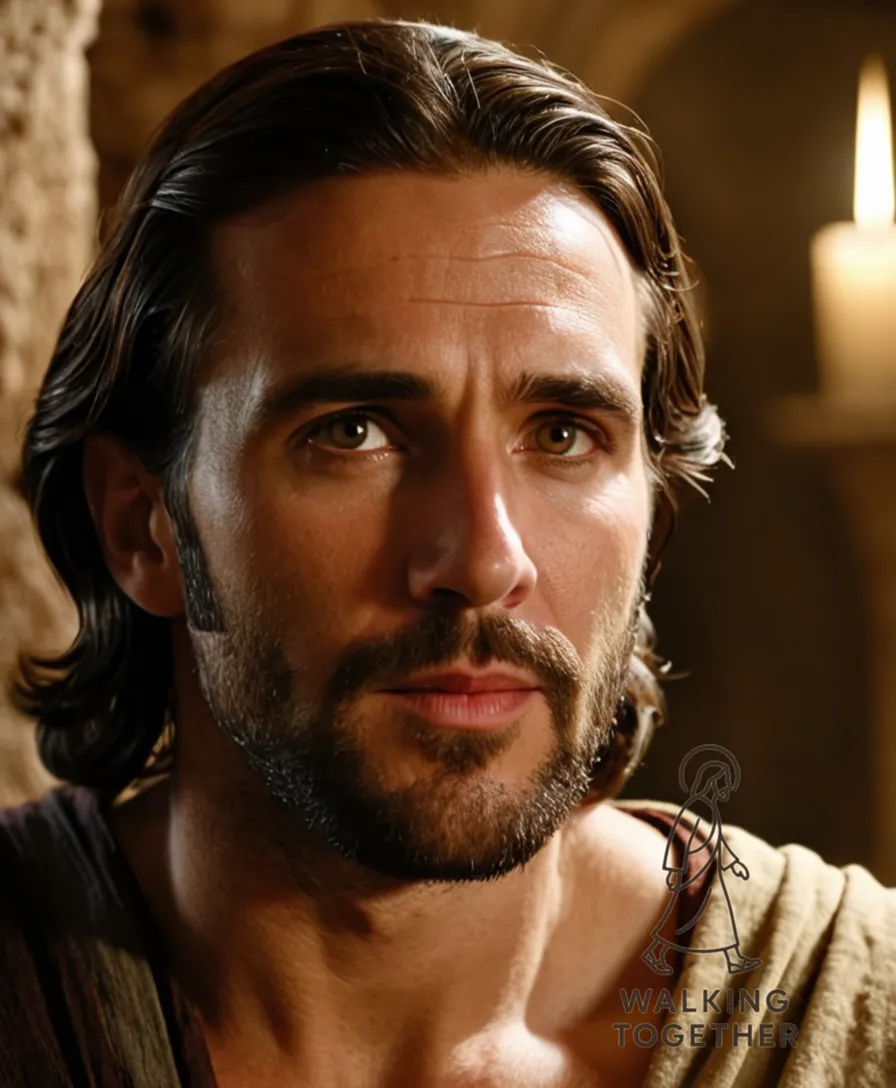
The most profound divergence between the accounts of Jesus’ death and forensic reconstruction manifests in their respective treatments of the events immediately following cessation of life. For the Gospel narratives, Jesus’ physical death is not the final chapter but a prelude to a greater reality: the resurrection. The narratives describe his burial, the sealing of the tomb, the empty tomb on the third day, and subsequent appearances to disciples
These narratives, foundational to Christian belief, paint a vivid picture of Jesus’ final days: his suffering, death, and resurrection. The traditional accounts focus on moments of profound transformation – the burial, the sealing of the tomb, its emptiness on the third day, and His subsequent appearances to disciples. Exploring this story through a different lens can offer fresh insights. “Play Jesus Christ Superstar” allows us to engage with these pivotal events from the perspective of individuals caught in their midst, grappling with power, faith, and loss.
. These eschatological assertions—claims about ultimate destiny and the afterlife—are central to Christian doctrine. The resurrection transforms the meaning of Jesus’ death from a tragic execution into a triumph over death itself, fundamentally altering the trajectory of history and human salvation. This entire sequence, from death to resurrection, forms an integrated theological event, defying purely material explanation.
Forensic reconstruction, operating within a purely material and empirical framework, cannot address eschatological claims. Its purview ends with the physical body and its interaction with the environment post-mortem. A forensic investigation would focus on:
* Cause of death: The specific injury or disease that initiated the chain of events leading to death.
* Manner of death: The circumstances surrounding the death (e.g., homicide, suicide, accident, natural, undetermined). In Jesus’ case, it would be homicide by crucifixion.
* Time of death: Estimation based on observable post-mortem changes.
* Burial practices: Analysis of the tomb, grave goods, position of the body, and any evidence of disturbance. This includes taphonomic analysis—how the body decomposed, how it interacted with its environment, and any post-depositional events (e.g., grave robbery, natural processes).
For forensic science, the concept of an “empty tomb” or a physical “resurrection” as described in the Gospels falls outside its domain of inquiry. These phenomena are not amenable to scientific observation or replication, nor do they leave material traces that can be analyzed through empirical methods. An archaeologist might analyze the structural integrity of an ancient tomb, or search for evidence of rapid body removal, but the meaning ascribed to an empty tomb, or the reality of a physical resurrection, remains firmly within the realm of theological interpretation and faith.
The contrast is crucial: the accounts of Jesus’ death extend beyond the physical cessation of life to encompass spiritual and transcendental truths, fundamentally altering the reality of death itself for believers. Forensic science, however, remains rigorously tethered to the observable, the measurable, and the material. It seeks to understand the finality of death and its material consequences, not its potential transcendence.
The Crucible of Interpretation: Shaping Belief, Unveiling Facts
Both the accounts of Jesus’ death and forensic reconstructions are subjects of intense interpretation, though the frameworks and communities performing these interpretations are vastly different. For the Gospel narratives, interpretation occurs within theological and faith communities. This includes liturgical readings, biblical exegesis, systematic theology, and personal spiritual reflection. The narratives are understood as sacred texts, demanding faith, and informing belief systems. Interpretations evolve over time, shaped by cultural contexts, scholarly advancements in biblical studies, and ongoing spiritual discernment. The goal of this interpretation is to understand divine truth, moral imperatives, and the path to salvation. Debates often center on the historical accuracy of details, the theological implications of specific phrases, or the compatibility of different Gospel portrayals.
Conversely, forensic reconstructions are interpreted within the scientific community. This involves peer review of methodologies and findings, interdisciplinary discussions among anthropologists, archaeologists, pathologists, and historians, and the constant refinement of scientific techniques. The interpretation is driven by the principles of evidence-based reasoning, logical inference, and the pursuit of objective understanding. The goal is to reconstruct the most probable scenario of death based on available material evidence, subject to revision as new evidence or methods emerge. Debates in this field revolve around the validity of dating techniques, the interpretation of skeletal trauma, or the archaeological context.
How we choose to interpret these diverse forms of evidence —whether through the lens of faith, seeking transcendent meaning, or through the lens of empirical science, demanding material proof—fundamentally shapes our understanding of the past and its implications for the present.
The public engagement with these two forms of knowledge also differs dramatically. The accounts of Jesus’ death continue to inspire billions globally, forming the core of religious practice and cultural heritage. They provide moral guidance, comfort, and a framework for understanding life’s meaning. Forensic reconstructions, while invaluable for historical and criminal investigations, primarily inform academic discourse, legal proceedings, and specialized scientific fields. While they can shed light on ancient life and death, they rarely resonate with the broad public in the same deeply personal and existential way as religious narratives.
Both frameworks offer powerful ways of engaging with the past. The Gospels offer a subjective, faith-informed understanding of meaning and purpose derived from a historical event. Forensic science offers an objective, evidence-based understanding of the physical realities of ancient lives and deaths. The challenge, and indeed the richness, lies in recognizing the distinct contributions and limitations of each without forcing them into a single, incompatible interpretative mold.
Frequently Asked Questions with a Comparative Approach

Can forensic science disprove the Gospel accounts of Jesus’ death?
Forensic science, by its very nature, cannot disprove the theological or spiritual claims within the Gospel accounts, particularly regarding events like the resurrection, which are outside the realm of empirical verification. It can, however, provide insights into the plausibility of the physical details of Jesus’ death based on known Roman crucifixion practices and human physiology. For example, if skeletal remains definitively identified as Jesus’ were found showing no signs of crucifixion, this would challenge the historical accuracy of the narrative’s physical description. However, the absence of such direct evidence means forensic science can neither confirm nor deny the specific details of Jesus’ crucifixion without a verifiable body. Its tools are designed for material analysis, not for theological adjudication.
How do historical-critical methods bridge the gap between faith narratives and empirical historical inquiry regarding Jesus’ death?
Historical-critical methods operate at an intersection point, treating the Gospel accounts as historical documents while acknowledging their theological aims. Scholars analyze textual sources for authorship, date, genre, and internal consistency, comparing them with external historical and archaeological data (e.g., Roman crucifixion practices, first-century Judean burial customs). They seek to reconstruct the “historical Jesus” and the historical circumstances of his death using principles of historical probability, distinguishing between events that are more likely to have occurred as described and those that might be later theological interpretations or narrative embellishments. While historical-critical methods cannot apply forensic techniques directly, they provide a framework for evaluating the historical reliability of the narratives in a manner that is more robustly empirical than pure theological interpretation, yet more nuanced than pure forensic analysis.
What are the primary limitations of applying modern forensic techniques to an event like Jesus’ crucifixion without direct physical evidence?
The primary limitation is the absolute lack of direct physical evidence—Jesus’ body. Forensic science requires physical remains (skeletal, soft tissue, DNA) and an archaeological context to conduct its analyses. Without these, any application of forensic techniques becomes purely hypothetical, based on general knowledge of crucifixion practices and human physiology rather than specific evidence related to Jesus. While pathologists can speculate on the likely effects of scourging and crucifixion based on textual descriptions and comparative studies of other crucifixion victims (like the Jehohanan find), these are inferences about what could have happened, not findings about what did happen to Jesus specifically. The absence of a physical corpus renders direct forensic reconstruction impossible.
In what ways do these two approaches offer complementary insights, despite their fundamental differences?
While fundamentally different, the two approaches offer complementary insights by providing different dimensions of understanding. The accounts of Jesus’ death offer the deep theological, spiritual, and moral significance of the event, explaining its profound impact on human belief and history. Forensic reconstruction, or general archaeological and historical knowledge of ancient death practices, provides contextual realism, helping us understand the brutality and physicality of Roman crucifixion. Knowing the physical reality of crucifixion can, for some, deepen the appreciation for the sacrifice described in the Gospels. The historical context established by archaeology and ancient history helps to ground the biblical narratives in the realities of the first century, allowing for a more informed reading of the biblical text and enriching both historical and theological understanding.
Converging Horizons or Irreconcilable Paradigms?
The comparative analysis of the accounts of Jesus’ death and forensic reconstruction reveals two distinct yet equally compelling avenues for understanding past events. One constructs meaning through narrative, faith, and theological purpose, offering an interpretive framework for life’s ultimate questions. The other meticulously reconstructs material realities through empirical evidence, seeking objective truth about physical existence. Each approach, rigorous within its own domain, operates with different questions, different methodologies, and different forms of evidence.
The tension between these paradigms is not one of inherent conflict but of differing scopes and ambitions. Where one seeks transcendental significance, the other uncovers empirical facts. Recognizing these distinct epistemologies is vital: it prevents the misapplication of scientific criteria to theological claims and, conversely, the imposition of faith-based narratives onto empirical data. Ultimately, our understanding of events like the accounts of Jesus’ death is enriched not by forcing these disparate fields into a single, reductive explanation, but by appreciating the unique insights each offers from its specific horizon of inquiry, inviting a more nuanced and reflective engagement with history, science, and belief
Exploring these different perspectives can encourage a more comprehensive understanding of sacred narratives. For example, preaching about Jesus often delves into the theological and practical implications of his life, death, and resurrection within various Christian traditions.
.