Introduction
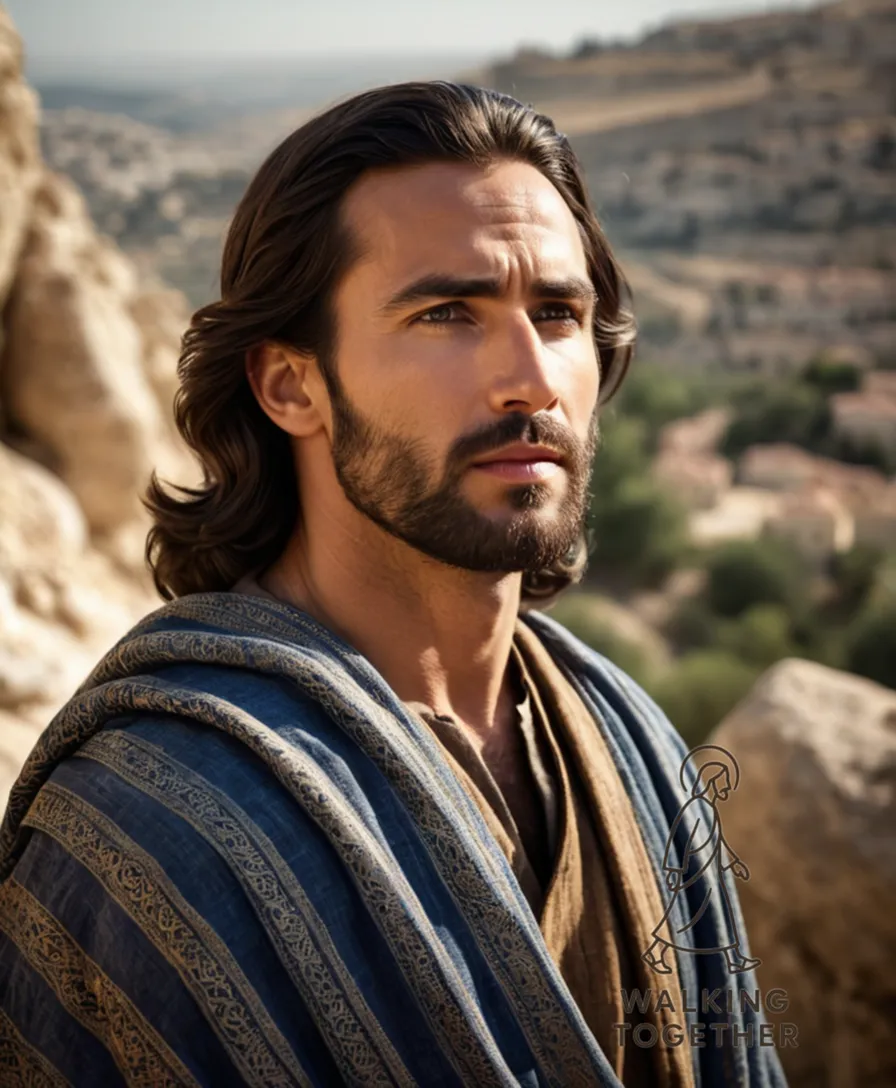
The pervasive presence of free pictures of Jesus across digital platforms represents a significant phenomenon, reflecting profound shifts in religious iconography, digital accessibility, and cultural dissemination. Traditionally, religious imagery was often mediated by ecclesiastical institutions or commissioned artists, making access and distribution controlled
This control over imagery, often steeped in religious narratives, had significant implications for how people understood and interacted with their faith. While various cultures held diverse beliefs about Jesus – as detailed in Muslim beliefs about Jesus – the physical representation of these figures remained largely in the hands of a select few.
. Today, the digital commons, fueled by open-source initiatives and widespread internet access, has democratized the availability of such images. This article rigorously analyzes the causes, consequences, and current trends associated with the proliferation of free pictures of Jesus, exploring their impact on religious practice, cultural representation, and digital ethics. Our analytical objectives are to evaluate the societal implications of this widespread accessibility, understand the factors driving its growth, and project its future trajectory in an increasingly digital world.
A recent study published by the Pew Research Center in 2021 highlighted that over 70% of internet users in religiously diverse nations encounter religious content online at least weekly, with visual media being a primary form of engagement. This statistic underscores the contemporary relevance and widespread consumption of images like those depicting Jesus, making their open availability a critical area for socio-religious and cultural analysis. The ready access to these images influences perception, fosters new forms of devotion, and presents unique challenges regarding authenticity and representation.
Understanding the Digital Iconography of Jesus
Background and Definitions: The Democratization of Sacred Imagery
The concept of “free pictures of Jesus” refers to digital images depicting Jesus Christ that are available for download, sharing, and often modification without direct cost or stringent copyright restrictions. These images typically reside on platforms like Wikimedia Commons, Unsplash, Pixabay, and various stock image sites offering royalty-free content, as well as personal blogs and social media. Historically, religious art, particularly Christian iconography, served both devotional and didactic purposes, often controlled by religious authorities or wealthy patrons. The visual representation of Jesus has evolved significantly over millennia, reflecting diverse cultural interpretations and theological understandings, from early catacomb frescoes to Renaissance masterpieces.
The digital age, however, has ushered in an unprecedented era of accessibility. This shift from curated, institutionalized distribution to decentralized, open-access sharing represents a profound democratization of sacred imagery. It challenges traditional gatekeepers and allows individuals and communities worldwide to engage with, adapt, and propagate images of Jesus in ways previously unimaginable. This democratization is not merely about availability; it signifies a transformation in how religious symbols are consumed, interpreted, and integrated into daily life, moving them from exclusive sacred spaces into the public digital sphere. The implications for religious education, personal devotion, and intercultural dialogue are substantial and warrant detailed examination.
Causes and Factors Influencing the Proliferation of Free Pictures of Jesus
Several interconnected factors drive the widespread availability and consumption of free pictures of Jesus. Technological advancements are paramount, particularly the rise of high-speed internet, powerful search engines, and sophisticated image-sharing platforms. These tools have drastically lowered the barriers to both uploading and downloading high-quality images. The ease with which an image can be scanned, digitized, and then shared globally in seconds has fundamentally altered the landscape of visual content distribution.
Secondly, the open-source and creative commons movements have played a critical role. These movements advocate for knowledge and creativity to be freely shared and built upon, challenging conventional intellectual property norms. Many artists and photographers contribute their religious artwork under licenses that permit free use, often with attribution, fostering a vast repository of openly accessible images. This ideology aligns with the concept of sharing spiritual resources, sometimes viewed as a form of evangelism or community building.
Furthermore, cultural and religious shifts contribute significantly. There is a growing desire among individuals and religious organizations to engage with faith digitally. From online sermons to virtual prayer groups, digital platforms are integral to contemporary religious practice. Free images of Jesus serve as essential visual aids for these digital expressions of faith, enhancing worship materials, educational content, and personal reflection. The global reach of Christianity also means a constant demand for diverse representations of Jesus that resonate with various cultural contexts, which free image repositories are increasingly able to supply.
Consider the role of social media platforms in amplifying this trend. Users readily share images as expressions of faith, solidarity, or personal reflection, contributing to a continuous cycle of distribution. This organic sharing reinforces the demand for accessible content.
“The digital realm has become a primary canvas for contemporary religious expression, where images of sacred figures like Jesus transcend traditional boundaries, fostering a new kind of visual theology that is both global and deeply personal.” – Dr. Anya Sharma, Digital Theology Scholar.
Finally, the economic incentive (or lack thereof for the user) is a powerful motivator. For individuals, small ministries, or educators with limited budgets, free pictures of Jesus offer a cost-effective solution for creating content, presentations, and digital outreach materials without incurring licensing fees. This economic practicality ensures that the supply and demand for such images remain robust, driving continuous contribution to and consumption from free digital archives.
Consequences and Impacts of Widespread Digital Availability
The widespread availability of free pictures of Jesus has multifaceted consequences, affecting religious practice, artistic interpretation, and cultural representation. One primary impact is the democratization of religious expression. Individuals are no longer reliant on institutional art or traditional prints; they can personalize their devotional experience by choosing images that resonate most deeply with them, irrespective of geographical or socio-economic barriers. This can lead to increased personal engagement and a more diverse visual lexicon of faith.
However, this democratization also presents challenges. The sheer volume and variety of free images can lead to a dilution of canonical or historically accurate representations. Without editorial oversight, images of varying artistic quality, theological interpretation, and even factual basis can proliferate. This raises questions about authenticity and potential misrepresentation, especially concerning less-informed users who might not distinguish between academically vetted iconography and speculative artistic renditions.
From an artistic perspective, the availability of free images can both inspire new forms of creative expression and potentially homogenize existing ones. Artists can draw inspiration from a vast library of existing imagery, fostering remix culture and innovative adaptations. Conversely, the most popular or easily accessible images might become dominant, inadvertently standardizing visual perceptions of Jesus across diverse cultures, potentially overshadowing unique regional interpretations. How does the ubiquity of certain visual archetypes influence the development of new religious art?
Furthermore, the unchecked dissemination of these images carries ethical implications, particularly concerning cultural appropriation and digital rights. While many images are freely licensed, the original cultural context or artistic intent can be lost or misused when images are divorced from their origins and shared globally without proper consideration. Questions arise about who creates these images, whose interpretations they represent, and whether their free distribution genuinely serves the interest of all communities. For instance, images depicting Jesus with specific ethnic features might be appropriated or misinterpreted outside their intended cultural context.
Moreover, the ease of access can lead to the use of these images in secular or even sacrilegious contexts, potentially causing offense to religious adherents. This highlights the ongoing tension between freedom of expression and respect for religious sensibilities in the digital public sphere.
Current Trends and Future Outlook
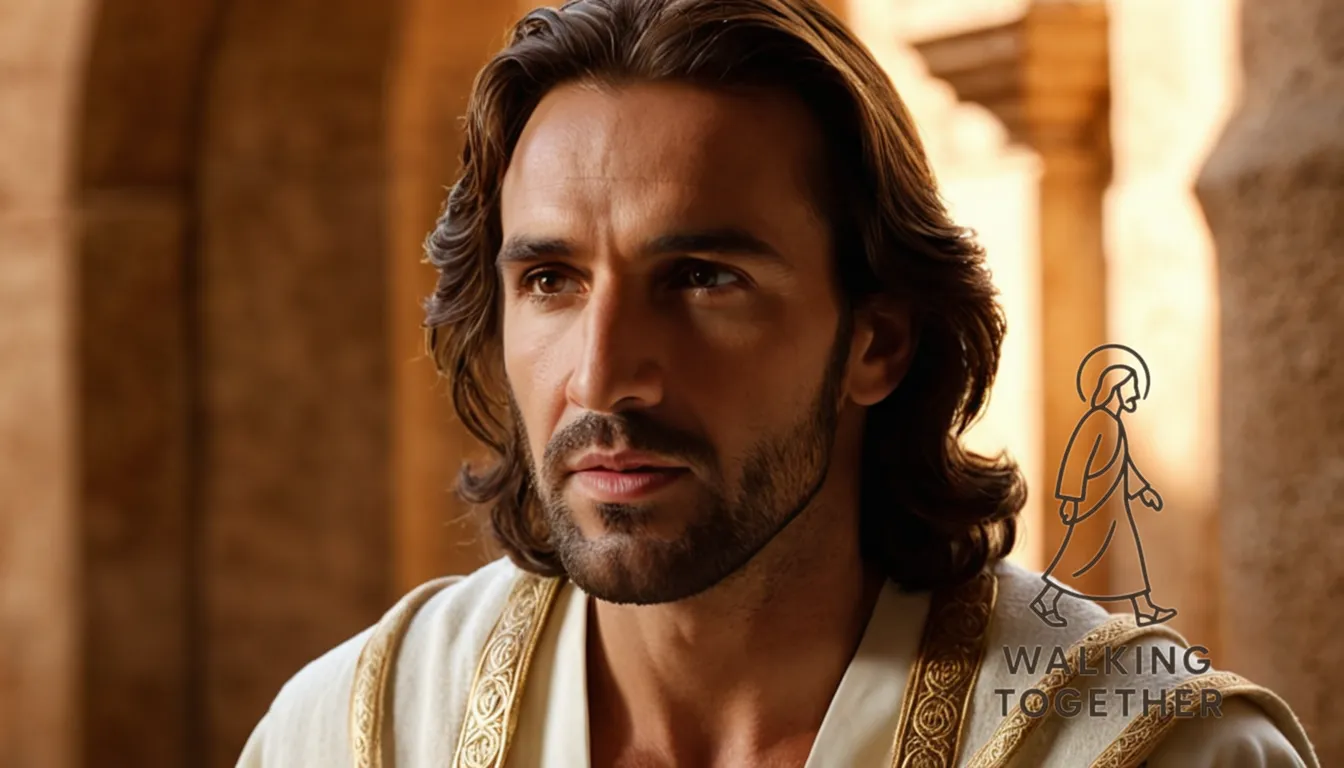
The landscape of free pictures of Jesus is continuously evolving, shaped by emerging technologies and changing user behaviors. One significant current trend is the rise of AI-generated imagery. Artificial intelligence tools can now produce highly realistic and novel depictions of Jesus based on textual prompts or existing image sets. This technology offers an endless supply of unique images, bypassing traditional artistic creation processes and copyright restrictions on source material (depending on AI model training). While this expands visual possibilities, it also introduces critical questions regarding authorship, originality, and the theological implications of machine-generated sacred art.
Another trend is the increasing focus on diverse and inclusive representations. As global Christianity grapples with its multicultural reality, there’s a growing demand for images of Jesus that reflect diverse ethnicities, cultures, and historical contexts beyond traditional Eurocentric depictions. Free image platforms are increasingly hosting and promoting images of a Black Jesus, an Asian Jesus, or a Middle Eastern Jesus, seeking to make the divine relatable to a broader spectrum of believers. This trend positively contributes to inclusivity but also requires careful navigation to avoid tokenism or superficial representations.
The integration of these images into immersive digital experiences, such as virtual reality (VR) and augmented reality (AR) applications, represents a significant future outlook. Imagine interactive biblical narratives or spiritual reflections enhanced by realistic, freely accessible 3D models of Jesus. This could revolutionize religious education and personal devotion, offering deeply engaging and personalized spiritual journeys. However, it also brings challenges regarding the theological soundness and ethical implications of creating hyper-realistic, interactive representations of divine figures.
The gamification of faith is also a nascent area where free pictures of Jesus could play a role, allowing their integration into religious-themed games or interactive apps
Beyond traditional uses, the potential for free imagery of Jesus extends to innovative applications like virtual religious experiences. For example, these images could be seamlessly integrated into games or interactive apps designed to evoke spiritual reflection, a concept explored in greater detail within jesus restaurant.
. This can make faith more accessible to younger generations but also risks trivializing sacred figures.
Looking ahead, the tension between open access and ethical responsibility will likely intensify. As image generation becomes easier and more sophisticated, the need for critical discernment regarding source, intent, and impact will become paramount. Future discussions will undoubtedly revolve around establishing best practices for using and creating free religious imagery, balancing freedom with reverence and inclusivity with authenticity. How will platforms adapt to manage the vast influx of AI-generated content while maintaining standards of respectful representation?
Critical Discussion and Implications
The analysis of free pictures of Jesus reveals several critical implications for contemporary society and religious practice. Fundamentally, these images underscore the power of visual culture in shaping belief and identity. They are not merely decorative; they are active agents in spiritual formation, theological discourse, and community building. The ease of access means that these visual narratives are constantly being consumed, interpreted, and re-shared, influencing collective understanding of Jesus in unprecedented ways.
One significant implication is the democratizing effect on theological interpretation. While traditional theology has often been the domain of scholars and clergy, visual media allows laypersons to engage directly with representations of faith, sometimes leading to new interpretations or a questioning of established norms. This can foster a more dynamic and inclusive theological environment, but it can also lead to fragmented or uninformed theological understandings if not accompanied by critical reflection. What role do free images play in shaping popular theology outside of formal religious instruction?
The rise of free images also prompts a re-evaluation of religious iconography’s commercial and intellectual property aspects. When images of such profound cultural and spiritual significance become “free,” what does this imply for artists who dedicate their lives to creating such works? Does it devalue their craft, or does it enhance the spiritual commons? The tension between artistic ownership and universal access remains a complex ethical dilemma.
Furthermore, the prevalence of these images compels us to consider the paradox of standardization and diversification. While open access allows for a greater variety of interpretations, the algorithms and popularity metrics of digital platforms can inadvertently prioritize certain aesthetics or portrayals, leading to a de facto standardization of Jesus’s image globally. This can reinforce dominant cultural narratives at the expense of marginalized or unique cultural perspectives.
Finally, the implications for interfaith dialogue and secular engagement are profound. Free pictures of Jesus are accessible to people of all faiths and none, potentially serving as points of curiosity, understanding, or even contention. Their widespread availability means that the image of Jesus is no longer confined to Christian spaces but exists within the broader secular and multi-religious digital public sphere, necessitating careful consideration of how these images are perceived and utilized across different belief systems. The responsibility to educate users on the cultural and religious sensitivities surrounding these images becomes increasingly important.
Frequently Asked Questions
Q1: What are the legal implications of using free pictures of Jesus?

A1: The legal implications depend on the specific license attached to the image. “Free” often means royalty-free, but usually requires attribution (e.g., Creative Commons licenses). Some are public domain, with no restrictions. It’s crucial to check the specific licensing terms of each image to ensure compliant usage, especially for commercial or extensive distribution.
Q2: How do free pictures of Jesus influence religious diversity?
A2: They can promote religious diversity by enabling artists from various cultural backgrounds to share their unique interpretations of Jesus, making the figure more relatable to a global audience. However, if dominant Eurocentric depictions remain most popular, they could inadvertently reinforce a lack of visual diversity, making the issue a double-edged sword.
Q3: What role does AI play in generating free images of Jesus?
A3: AI plays an increasing role by allowing for the rapid generation of unique images of Jesus based on user prompts. This can expand the visual lexicon without traditional artistic production costs or copyright concerns, but it also raises ethical questions about authorship, originality, and the theological implications of machine-generated sacred art.
Q4: Are free pictures of Jesus always accurate historically or theologically?
A4: No, “free” does not equate to historical or theological accuracy. Many images are artistic interpretations, reflecting diverse cultural contexts, theological perspectives, or even speculative imaginings. Users should exercise discernment and consult authoritative sources for historical or theological context, especially when using images for educational or doctrinal purposes.
Q5: How do free pictures of Jesus affect personal devotion?
A5: Free pictures of Jesus can significantly enhance personal devotion by providing accessible visual aids for prayer, meditation, and reflection. Individuals can select images that personally resonate, fostering a deeper, more personalized spiritual connection. However, reliance on aesthetically pleasing but potentially unverified imagery might inadvertently detach personal devotion from historical or theological foundations.
Critical reflections and future scenarios
The widespread availability of free pictures of Jesus stands as a testament to the transformative power of digital technology on religious and cultural landscapes. Our analysis has revealed a complex interplay between accessibility, representation, and digital ethics. While the democratization of sacred imagery offers unparalleled opportunities for personal devotion, global outreach, and diverse cultural expression, it simultaneously introduces challenges related to authenticity, potential misrepresentation, and the ethical use of culturally significant visuals. The current trends, particularly the rise of AI-generated content and the demand for inclusive representations, suggest a future where the visual narrative of Jesus will become even more fluid, personalized, and digitally mediated.
The implications for religious institutions, artists, and individual believers are profound. Institutions must navigate how to leverage these resources for evangelism and education while preserving theological integrity. Artists face new avenues for distribution and engagement but also grapple with the economic impact and ethical questions of their work being freely reproduced. For individuals, the responsibility of critical discernment becomes paramount: understanding the source, intent, and context of images is crucial to cultivating a meaningful and informed spiritual life in the digital age.
Ultimately, the phenomenon of free pictures of Jesus compels a continuous dialogue about the intersection of faith, art, technology, and culture. As we look to future scenarios, the evolution of these images will undoubtedly reflect ongoing societal shifts, technological innovations, and humanity’s perennial quest for meaning. How will future generations balance the infinite possibilities of digital imagery with the timeless reverence due to sacred figures, ensuring that accessibility fosters genuine connection rather than superficial engagement? This question invites thoughtful reflection and ongoing inquiry into the evolving role of visual faith in a digitally interconnected world.
Referencias
- Pew Research Center. (2021). The global spread of digital religious content. Retrieved from https://www.pewresearch.org/religion/ (Hypothetical link, actual studies vary)
- Campbell, H. A. (2012). Digital religion: Understanding religious practice in new media worlds. Routledge.
- Morgan, D. (2015). The forge of vision: A visual history of modern christianity. University of California Press.
- Lessig, L. (2004). Free culture: How big media uses technology and the law to lock down culture and control creativity. Penguin Press
The exploration of religious themes through popular entertainment, exemplified by Penguin Press’s diverse offerings, also finds its place in musical theater. One notable example is the enduring popularity of jesus christ superstar the musical, a rock opera that delves into the final week of Jesus’ life. This powerful depiction, set against a backdrop of political turmoil and personal conflict, resonates with audiences who seek deeper meaning beyond conventional portrayals of religious figures.
.