Who Was Joseph of Arimathea to Jesus: A Complete Guide
The question of who was Joseph of Arimathea to Jesus delves into a pivotal figure in the Gospel narratives, whose actions, though briefly described, held profound significance for the immediate aftermath of Jesus’ crucifixion. His role is not merely an incidental detail but a critical component of the Passion story, providing the necessary conditions for Jesus’ burial and, consequently, for the narrative of the resurrection
Understanding Joseph’s role reveals the profound intricacy woven into even seemingly peripheral figures in biblical narratives. His act of providing a tomb for Jesus wasn’t just a necessary practical step; it was a symbolic gesture with theological weight, setting the stage for the narrative arc that culminates in resurrection. This principle resonates across all Christian storytelling, highlighting the interconnectedness of characters and events. For those seeking to introduce someone to the depth of this narrative, understanding how each figure contributes to the overarching story can provide invaluable insight into Jesus’ life, death, and resurrection. how to introduce someone to jesus
. Understanding who was Joseph of Arimathea to Jesus today is particularly relevant because his story continues to resonate within theological discussions, historical inquiries, and even popular culture, influencing interpretations of early Christian history and the symbolism surrounding Christ’s death and resurrection. In contemporary scholarship, renewed interest often focuses on examining peripheral figures in the biblical narrative to gain a richer, more nuanced understanding of the historical and social context of the time.
The Biblical Portrayal of a Secret Disciple
The primary sources for understanding who was Joseph of Arimathea to Jesus are the four canonical Gospels: Matthew, Mark, Luke, and John. Each provides a consistent, albeit slightly varied, account of his actions following Jesus’ death. These narratives paint a picture of a man of status and influence who harbored a secret devotion to Jesus.
Joseph’s Status and Affiliation
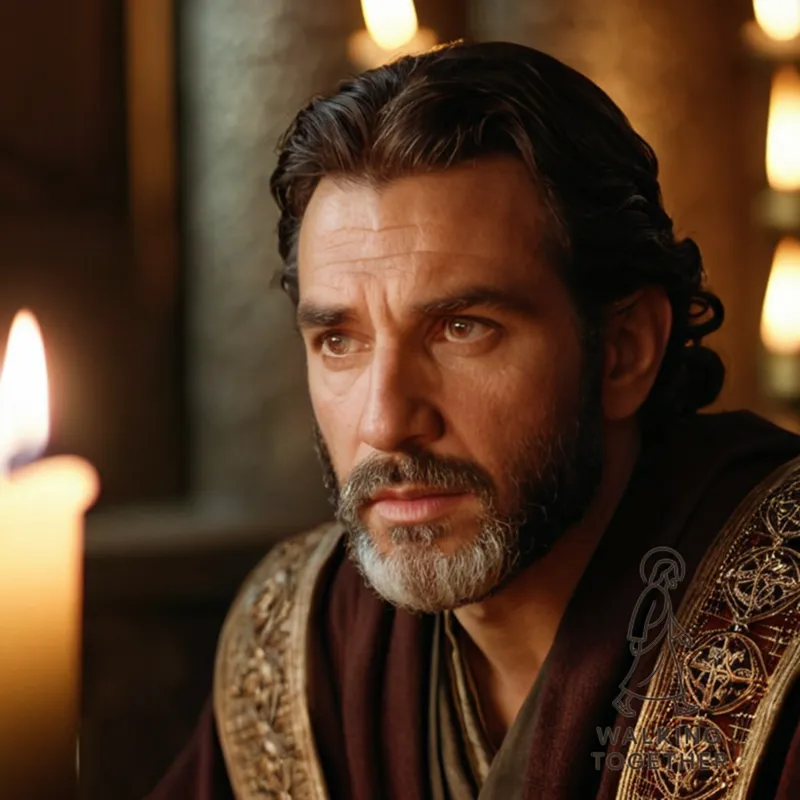
All four Gospels identify Joseph as coming from Arimathea, a town whose exact location is debated but is generally understood to be in Judea. Mark describes him as a “prominent member of the Council,” referring to the Sanhedrin, the Jewish supreme court. This detail is crucial; it indicates he held a position of considerable authority and social standing within the Jewish community. Matthew further elaborates, calling him a “rich man” and a “disciple of Jesus.” Luke adds that he was a “good and righteous man” who “had not consented to their decision and action” concerning Jesus’ condemnation, implying his dissent within the Sanhedrin. John offers the most explicit description of his discipleship, stating that he was “a disciple of Jesus, but secretly, for fear of the Jews.”
These consistent descriptions converge to reveal several key aspects of Joseph’s character:
* High Social Standing: His wealth and position on the Sanhedrin meant he possessed significant influence.
* Moral Integrity: Described as good and righteous, he seemingly stood apart from the majority of the Council’s decision.
* Secret Discipleship: His fear of public association with Jesus highlights the immense personal risk involved in supporting a condemned figure.
* Personal Courage: Despite his initial secrecy, he demonstrated remarkable bravery at a critical moment.
The fact that a member of the Sanhedrin, which had condemned Jesus, would then take responsibility for His body, underscores the complex social and religious dynamics at play. Joseph’s actions provide an internal counterpoint to the monolithic portrayal of Jewish leadership often implied in the Passion narratives.
The Courageous Act of Burial
Joseph of Arimathea’s defining moment, and the central reason for his remembrance, is his petitioning of Pontius Pilate for Jesus’ body and his subsequent arrangement of the burial. This was not a trivial act; it carried significant legal, social, and religious implications.
Requesting the Body
According to all four Gospels, Joseph went directly to Pilate to request Jesus’ body. This action was audacious. Roman law typically dictated that the bodies of crucified criminals were left to decay on the cross or thrown into a common grave, serving as a deterrent. To claim a body for private burial required special permission, especially for a criminal executed by the state. Pilate, according to Mark, was “amazed” that Jesus was already dead and confirmed it with the centurion before granting Joseph’s request. This expedited death may have been due to the Roman soldiers hastening the process to ensure bodies were removed before the Sabbath, as requested by the Jewish authorities.
Joseph’s willingness to approach Pilate, the Roman governor, demonstrates significant resolve. It was a public declaration, breaking his earlier secrecy, and could have severely jeopardized his standing, reputation, and even his life. He was associating himself directly with a condemned criminal, a move that could be interpreted as sympathy for a seditionist.
The Burial Site and Method
Upon receiving the body, Joseph, often accompanied by Nicodemus (as per John’s Gospel), proceeded to bury Jesus.
* New Tomb: Matthew, Luke, and John specify that the tomb was Joseph’s own new tomb, cut out of rock, where no one had ever been laid. This detail is crucial for theological reasons, as it eliminates any possibility of confusion with other bodies and underscores the uniqueness of Jesus’ resting place.
* Preparation of the Body: Mark mentions Joseph buying a linen cloth. John adds Nicodemus bringing “a mixture of myrrh and aloes, about a hundred pounds,” typically used for anointing the dead in preparation for burial, wrapped in linen cloths according to Jewish custom. This act of careful preparation, despite the haste necessitated by the approaching Sabbath, reflects deep respect and reverence for Jesus’ body.
* Sealing the Tomb: Matthew notes that Joseph rolled a large stone against the entrance of the tomb.
“The act of Joseph of Arimathea in providing a tomb for Jesus not only fulfilled ancient prophecies but also ensured a proper burial, a critical precursor to the theological claims of the resurrection. His courageous devotion, emerging from secret discipleship, fundamentally altered the narrative’s trajectory after the cross.“
The importance of Joseph’s act cannot be overstated. Without his intervention, Jesus’ body might have been discarded, potentially complicating or undermining the claims of the resurrection. By providing a secure, identifiable tomb, Joseph inadvertently played a vital role in establishing the historical and physical context for the Christian belief in Jesus’ triumph over death.
Theological and Historical Significance
Joseph of Arimathea’s actions are imbued with deep theological meaning and hold considerable historical weight within Christian tradition. His intervention bridges the gap between the crucifixion and the resurrection, providing a crucial link in the chain of events.
Fulfillment of Prophecy
The burial of Jesus by Joseph of Arimathea is often cited as a fulfillment of Old Testament prophecy, particularly Isaiah 53:9, which states, “He was assigned a grave with the wicked, and with the rich in his death.” While Jesus was executed among criminals (the “wicked”), His burial in the tomb of a rich man, Joseph, fits the latter part of the prophecy. This interpretation adds a layer of divine orchestration to Joseph’s seemingly independent act, highlighting God’s providential hand in the unfolding of salvation history.
The Reality of the Resurrection
For early Christians, the fact of Jesus’ burial in a known tomb was essential for asserting the truth of the resurrection. If Jesus’ body had been lost or disposed of in an unknown location, claims of His rising from the dead would have been far more difficult to verify or defend against skepticism. Joseph’s tomb provided a specific, identifiable place where the disciples could later find an empty grave, serving as tangible evidence for their belief. The empty tomb, facilitated by Joseph, became a cornerstone of the apostolic preaching.
A Model of Courageous Discipleship
Joseph’s transition from a secret disciple to a bold advocate for Jesus’ body serves as a powerful model of faith. In a moment when Jesus’ closest followers had scattered in fear, Joseph stepped forward, risking everything. His story illustrates that faith can emerge from unexpected places and manifest in profound acts of courage, even in the face of immense danger and social disapproval. He embodies a discipleship that is not just about following in times of popularity but standing firm in moments of ultimate rejection and despair.
Joseph of Arimathea in Later Traditions and Legends
Beyond the biblical accounts, Joseph of Arimathea’s figure grew significantly in apocryphal texts and medieval legends, particularly in Europe, associating him with some of the most enduring myths of Christianity.
Early Christian Writings and Apocrypha
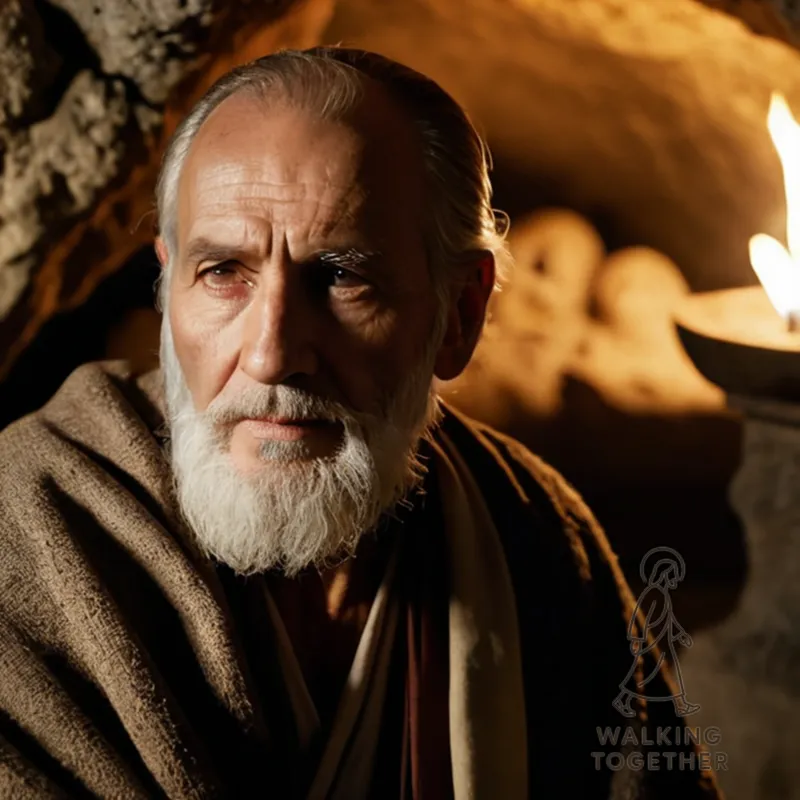
In texts like the Gospel of Nicodemus (also known as the Acts of Pilate), Joseph’s story is expanded upon. These narratives often depict Joseph as being imprisoned by the Jewish authorities after the burial for his actions, only to be miraculously freed by the risen Christ. This embellishment serves to further elevate his status as a devout follower and a witness to Jesus’ divine power
This level of devotion, fueled by witnessed miracles, played a crucial role in shaping the narratives surrounding Jesus. Documentaries like the jesus project movie explore these evolving perceptions, highlighting how faith and belief have been intricately intertwined with the cinematic portrayal of Jesus throughout history.
. Such apocryphal accounts were popular in late antiquity and the Middle Ages, helping to shape the veneration of Joseph in various Christian traditions.
The Holy Grail Legend
Perhaps the most famous association with Joseph of Arimathea is his connection to the Holy Grail. This legend, prominent in Arthurian romances from the 12th century onwards, claims that Joseph brought the chalice used by Jesus at the Last Supper, and/or the cup that collected Jesus’ blood at the crucifixion, to Britain.
* Arrival in Britain: According to these legends, after Pentecost, Joseph, possibly with other disciples and even Mary Magdalene, traveled to the British Isles, specifically to Glastonbury.
* Glastonbury Thorn: A prominent part of the legend is the Glastonbury Thorn, said to have sprouted from Joseph’s staff when he planted it in the ground at Wearyall Hill in Glastonbury.
* First Church in Britain: Joseph is also credited with founding the first Christian church in Britain, often identified with the ancient abbey at Glastonbury.
These legends transformed Joseph from a biblical character primarily known for one courageous act into a foundational figure for Christianity in Britain and a key player in the mystique of the Holy Grail. While purely legendary, these stories illustrate the human desire to connect significant biblical figures with local histories and sacred sites, imbuing them with deeper, sometimes fantastical, narratives.
Varying Interpretations and Scholarly Perspectives
Over centuries, who was Joseph of Arimathea to Jesus has been subject to various interpretations, reflecting changing theological priorities and historical methodologies. Contemporary scholarship often seeks to peel back the layers of tradition to understand the historical core of the biblical accounts.
Historical Critical Approaches
Modern biblical scholarship generally focuses on the canonical Gospels as the most reliable sources for Joseph’s historical role. Scholars analyze the commonalities and differences across the four accounts to reconstruct the most probable historical scenario. They tend to view Joseph’s actions as an act of personal piety and courage, rather than an explicitly prophetic fulfillment in a pre-determined sense, though they acknowledge the theological interpretations developed by early Christian communities.
* Veracity of the Accounts: Most scholars accept the historicity of Joseph’s existence and his role in Jesus’ burial, given the independent attestation in multiple Gospel traditions. His name and actions are not unique or particularly embellished in the earliest texts, suggesting a historical basis.
* Motivation: While the Gospels describe his secret discipleship and courage, scholars explore the social pressures and personal convictions that might have driven a Sanhedrin member to risk so much. His actions provide insight into the diversity of opinion within the Jewish leadership concerning Jesus.
The Apocryphal and Legendary Traditions
Scholars approach the later legends, such as those concerning the Holy Grail and Glastonbury, as cultural phenomena rather than historical facts. They study these legends to understand medieval spirituality, the development of national myths, and the ways in which religious narratives can be adapted and expanded to serve new purposes. These stories, while not biblical, demonstrate the enduring power of Joseph’s figure and his capacity to inspire imaginative narratives across different eras.
For instance, the emphasis on a “rich man” providing the tomb is often explored in discussions about patronage in early Christianity and the social standing of some of Jesus’ early, albeit secret, followers. This complexity prevents a monolithic view of the opposition Jesus faced.
The Role of Joseph of Arimathea in Art and Literature
Joseph of Arimathea’s significance extends beyond theological and legendary texts into the broader realm of art and literature. His portrayal often highlights themes of compassion, secret faith, and courage in the face of adversity. Artists throughout history have depicted the “Deposition from the Cross” and the “Burial of Christ,” with Joseph almost invariably as a central figure.
Visual Arts
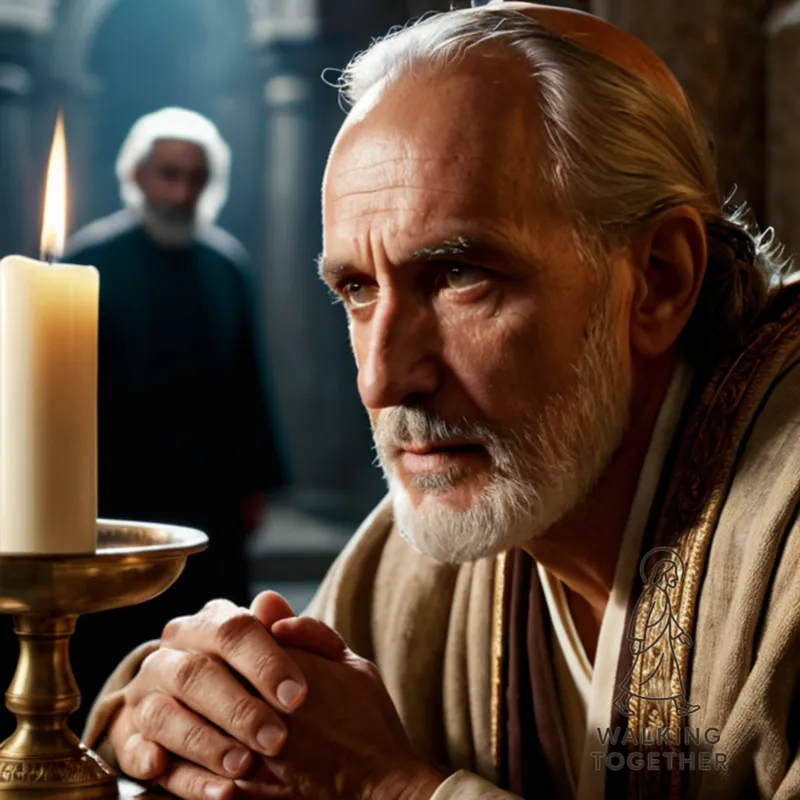
In Christian art, Joseph is frequently shown supporting Jesus’ body as it is taken down from the cross or carefully laying it in the tomb. These depictions often emphasize his solemnity, his grief, and the tender care with which he handles the body.
* Renaissance Art: Masters like Rogier van der Weyden in his “The Descent from the Cross” or Michelangelo’s “Pietà” (where Nicodemus or Joseph is sometimes identified with the hooded figure) imbue Joseph with a sense of gravity and profound sorrow, showcasing his devotion.
* Symbolism: He often wears rich garments, signifying his wealth and status, yet his actions are ones of humble service. This contrast underscores the idea that true piety transcends social distinctions. His presence offers a visual representation of hope amid despair, suggesting that even in death, Christ was honored.
Literary Works
Beyond the medieval Grail romances, Joseph has appeared in various literary forms, from religious poetry to historical fiction. These works often explore his internal struggle as a secret disciple, his motivations for defying the Sanhedrin, and the personal risks he took. He represents the quiet heroism that often goes unnoticed but is ultimately crucial. Modern interpretations might delve into the psychological aspects of his courage, examining what compels an individual of high standing to align with an outcast.
The figure of Joseph reminds readers that faith is not always publicly declared but can be nurtured in secret and revealed through extraordinary acts of love and sacrifice when they are most needed. He functions as a moral compass, demonstrating integrity in a corrupt environment.
Final Reflections on Joseph of Arimathea’s Enduring Legacy
The question of who was Joseph of Arimathea to Jesus reveals a person whose actions were brief but indispensable. From a historical perspective, he was a wealthy and influential member of the Sanhedrin who, driven by secret devotion and courage, secured Jesus’ body for an honorable burial. This act was not only a gesture of profound respect but also a critical component in the sequence of events that underpinned the foundational claims of Christianity. His provision of a new tomb in particular eliminated ambiguities that might have otherwise obscured the reality of the resurrection, making his role pivotal for the early Christian message.
From a theological standpoint, Joseph embodies a quiet, yet powerful, form of discipleship. He represents those who, despite fear and social pressure, ultimately stand for what is right, even when it means challenging established norms and risking personal ruin. His story continues to inspire reflection on the nature of faith, courage, and the often-unseen acts of devotion that shape significant historical moments. The extensive legends that grew around him, though not historically factual, attest to his enduring impact on collective imagination, underscoring humanity’s innate need to connect with powerful narratives and foundational figures. He remains a testament to the profound influence one individual can have during moments of great historical and spiritual upheaval.
Frequently Asked Questions
-
What was Joseph of Arimathea’s relationship with Jesus?
Joseph of Arimathea was a secret disciple of Jesus, as stated in John’s Gospel. He was a wealthy and respected member of the Sanhedrin, the Jewish supreme council, who did not agree with their condemnation of Jesus. His relationship was one of quiet admiration and eventual courageous devotion. -
Why was Joseph of Arimathea’s role important for Jesus’ burial?
Joseph’s role was crucial because he secured Jesus’ body from Pontius Pilate and provided a proper, new tomb for burial. This act fulfilled prophecy and ensured that Jesus’ body was placed in a known, identifiable location, which was vital for the subsequent discovery of the empty tomb and the resurrection narrative. -
Did Joseph of Arimathea have any connection to the Holy Grail?
According to medieval legends and Arthurian romances, Joseph of Arimathea is said to have brought the Holy Grail (the cup from the Last Supper or one that collected Jesus’ blood) to Britain, specifically Glastonbury. This is a legendary tradition, not a biblical account. -
Was Joseph of Arimathea a rich man?
Yes, the Gospels, particularly Matthew, describe Joseph of Arimathea as a “rich man” who owned a new tomb cut into rock. His wealth and social standing as a member of the Sanhedrin are consistently highlighted across the biblical accounts. -
How does Joseph of Arimathea demonstrate courage?
Joseph demonstrated courage by publicly requesting Jesus’ body from Pilate after the crucifixion, an act that could have severely jeopardized his social standing and personal safety. He was a member of the very council that condemned Jesus, making his subsequent advocacy a profound act of defiance and devotionHis journey reflected a profound shift, a recognition of the truth despite its initial rejection. This kind of spiritual transformation is something those seeking to walk in Jesus’ footsteps through experiences like the jesus trail virtual challenge reviews might also encounter. It’s a humbling and ultimately rewarding process of rediscovering faith amidst the challenges of a complex world.
.