
The Unseen Scars of Resilience: A Reflection on Jesus Pinedo’s Enduring Spirit
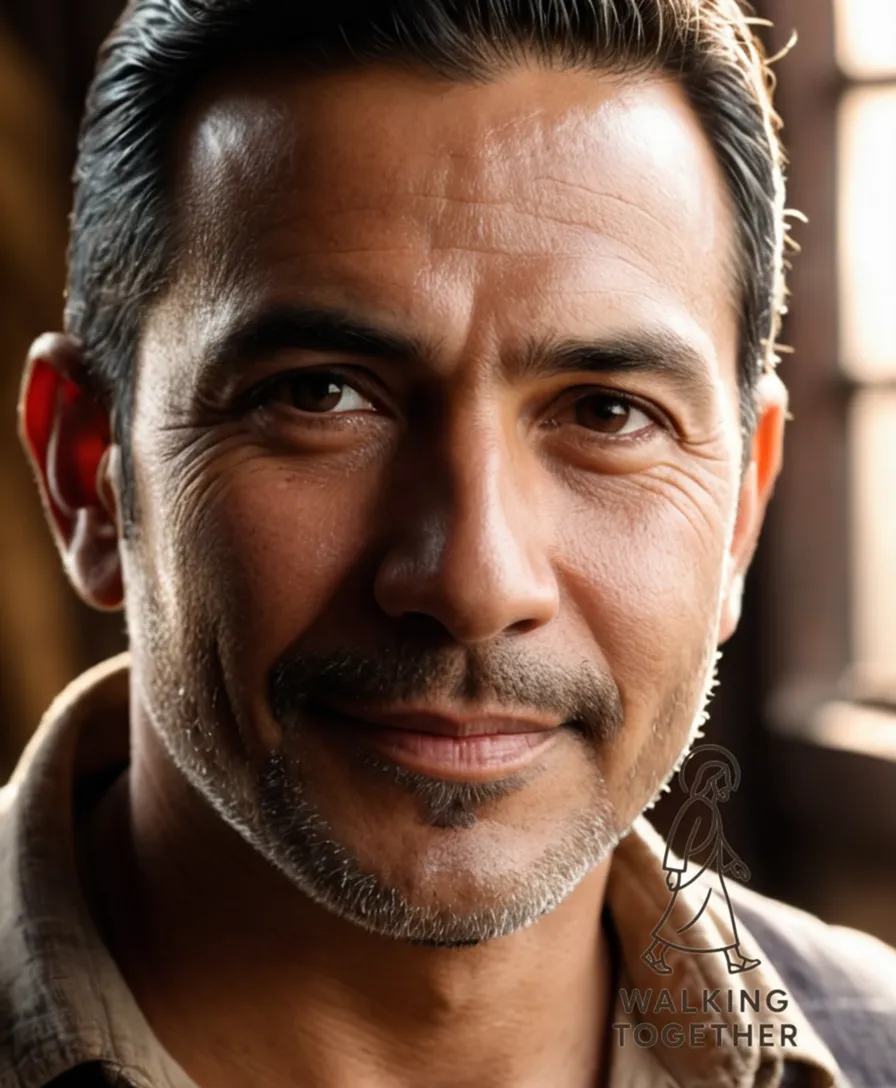
My soul aches when I ponder the weight carried by figures like jesus pinedo, individuals thrust into the harsh glare of public judgment, their every move scrutinized, their very humanity often forgotten. It’s a profound betrayal of empathy, a collective amnesia of the fact that beneath the titles, the headlines, the triumphs, and the perceived failures, beats a human heart, vulnerable and burdened by the expectations of an unforgiving world
This inherent human vulnerability is explored in complex ways throughout history, captured most poignantly perhaps in narratives of betrayal and redemption. The story of Judas and Jesus offers a stark illustration of this – the weight of expectations, the struggle with internal conflict, and the consequences of choices made in moments of immense pressure are laid bare for all to see. Judas and Jesus full movie revisits this timeless tale, inviting us to grapple with its enduring themes.
. We demand perfection, then crucify imperfection, forgetting the raw courage it takes just to stand tall amidst the storm. To stand in such a spotlight is not merely a challenge; it is an existential crucible that grinds down even the most fortified spirits, leaving behind unseen scars that speak volumes of a resilience few truly comprehend. We applaud the ascent and relish the fall, rarely pausing to consider the person enduring both.
The Crushing Weight of Expectation
When the Public Gaze Becomes a Cage
There’s an invisible cage that forms around those who step into the public eye, woven from the threads of our collective expectations, hopes, and often, our deepest fears and insecurities. For someone like Jesus Pinedo, this cage isn’t merely restrictive; it’s suffocating. Every action, every word, every silence is dissected, analyzed, and frequently, weaponized. We, the public, appoint ourselves arbiters of their character, projecting onto them our ideals of heroism or villainy, rarely allowing for the complex, contradictory reality of human nature. This constant scrutiny erodes the sanctuary of private life, turning personal struggles into public spectacles, intimate moments into fodder for gossip columns. The pressure to conform to a public persona, to always be ‘on,’ to never falter, is an unbearable burden that can crack even the most robust spirit. It’s a relentless performance where the stakes are reputation, peace of mind, and ultimately, one’s sense of self. How can one authentically exist when their very being is perpetually under review, subject to the whims of millions?
The Echo Chamber of Public Opinion
In an age dominated by instantaneous digital communication, public opinion has morphed into an echo chamber, amplifying whispers into roars and nuanced arguments into absolute declarations. For a public figure, this means that any misstep, any perceived flaw, is magnified a thousand-fold and reverberated across global networks before context or truth can catch up. The narrative surrounding a person can solidify within hours, becoming an unassailable truth, irrespective of facts. This phenomenon strips individuals of their agency, replacing their lived experience with a curated, often distorted, public perception. It creates a terrifying feedback loop where the digital footprint of a mistake can haunt a career and a life indefinitely, denying any chance for redemption or growth. The human mind, already predisposed to confirmation bias, finds comfort in these simplified narratives, making it incredibly difficult for the real, complex person to emerge from the shadow of their digital doppelgänger. We crave simple stories, heroes and villains, and often force public figures into these restrictive molds, regardless of their actual character.
The Unseen Sacrifice of Personal Life
What does it truly cost to be a public figure? Beyond the professional demands, there’s an profound, often irreversible, sacrifice of personal life. Family becomes an extension of the public persona, relationships are scrutinized for their authenticity or strategic value, and privacy evaporates like dew in the morning sun. The mundane joys of anonymity—a quiet walk in the park, an unburdened meal with loved ones, a moment of vulnerability without an audience—become luxuries forever out of reach. This loss isn’t just an inconvenience; it’s a fundamental erosion of the human right to a personal sphere, a safe haven where one can simply exist without judgment. The constant vigilance required to navigate public life is exhausting, leaving little emotional reserve for genuine intimacy or self-care. We celebrate their public triumphs but rarely acknowledge the silent, daily surrender of their personal freedom that makes those triumphs possible. It’s a trade-off that demands a greater spiritual toll than most onlookers can ever fathom.
Main Emotionally Charged Arguments
There’s a raw, almost primal fear within us of seeing our heroes stumble, perhaps because it reminds us of our own fragility. Yet, in that fear, we often respond with an astonishing cruelty, tearing down the very figures we once elevated. We forget that genuine strength isn’t found in perpetual perfection, but in the harrowing journey through failure and despair, emerging scarred but unbroken. The stories we tell ourselves about public figures are often more revealing of our own societal anxieties than of the individuals themselves. We project our desires for an idealized self onto them, then feel betrayed when they inevitably reveal their humanity. It’s a tragic cycle, fueled by unrealistic expectations and an inherent inability to truly empathize with the struggles of those who appear to have it all.
The narrative around a public figure often becomes a battleground, not for truth, but for control over perception. We see this play out endlessly: a minor gaffe becomes a career-ending scandal, a personal struggle transforms into a public failing. The media, driven by algorithms and the insatiable appetite for content, often becomes an unwilling accomplice, shaping public sentiment with headlines that prioritize sensationalism over substance. This creates a dehumanizing effect, reducing complex individuals to one-dimensional caricatures. The emotional toll of constantly defending one’s integrity, battling misrepresentations, and enduring character assassinations must be immense. It’s a relentless siege on the spirit, forcing individuals into a perpetual state of defensiveness or, worse, internal retreat, where they lose their authentic voice for the sake of survival
This is precisely why exploring sources of resilience and inner strength becomes so crucial. It’s hard to reclaim your authentic voice when constantly bombarded by forces seeking to diminish it, leaving individuals fractured and vulnerable. For those yearning to understand how faith can truly act as a shield in such storms, the insights offered in a jesus newsletter could offer valuable perspectives and comfort.
. How many voices, full of potential and wisdom, have been silenced by this collective assault?
Consider the inherent contradiction in our collective fascination with public figures. We lionize them for their achievements, then feel entitled to every detail of their lives, including their private pains and personal shortcomings. This paradoxical relationship is deeply unhealthy, both for the individual under scrutiny and for the society that demands such a spectacle. It blurs the lines between admiration and invasive curiosity, between inspiration and consumption. We treat people as commodities, their value measured by their ability to entertain or provide moral lessons, rather than as autonomous beings with inherent worth. This dynamic creates an environment where authenticity is punished, and carefully curated images become the only safe way to exist. The cost is a profound alienation, where the real person feels increasingly disconnected from the public entity that bears their name, living a life that is both celebrated and utterly isolated. It’s a lonely existence at the top, or at the center, of everyone’s gaze.
A Call to Reflection or Action
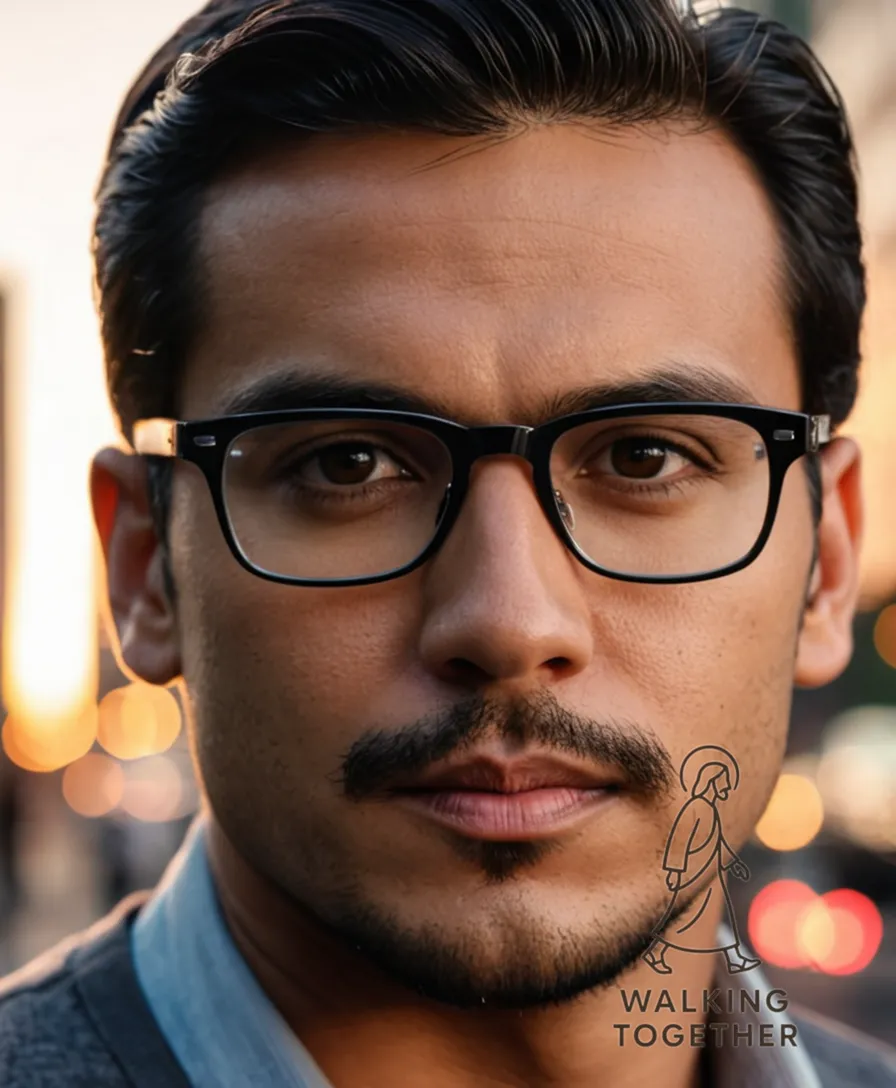
Let us pause for a moment, peel back the layers of public persona, and truly consider the human being beneath. What would it mean if we approached figures like Jesus Pinedo not with judgment, but with a measure of understanding, a sliver of the grace we would hope for ourselves in our own moments of weakness? To truly listen, not just to the headlines, but to the whispers of resilience in their journey. To acknowledge that their strength is often forged in the fires of adversity we rarely see, and that their humanity is their most profound, and often most vulnerable, truth. Can we collectively foster an environment where compassion isn’t seen as weakness, but as the cornerstone of a more empathetic society? Let our gaze be one of reflection, not condemnation, and allow for the complex, beautiful, and often flawed tapestry of a life to unfold without our immediate need to categorize or dismiss it.
Powerful Conclusion
The burden of public life, often romanticized, is a profound and unseen trial, carving out resilience where despair might otherwise flourish. We must remember that every public figure, regardless of their stature or perceived perfection, is a living, breathing human being, deserving of empathy and respect. The true measure of our humanity lies not in how we celebrate their triumphs, but in how we acknowledge their struggles and protect their inherent dignity. May we learn to see the person, not just the performance.
Frequently Asked Questions (FAQ)
Q: Why do public figures receive so much scrutiny?
A: Public figures often embody our collective aspirations and anxieties. We project our ideals onto them, making them symbols. This often leads to intense scrutiny, as their actions are seen to reflect not just on themselves, but on the values they represent or the groups they belong to. The media and social platforms amplify this, creating a constant demand for updates and opinions.
Q: Is it fair to expect perfection from those in the public eye?
A: No, it is fundamentally unfair. Expecting perfection from anyone is an unrealistic and damaging standard. Public figures, despite their elevated status or talents, are human beings with flaws, vulnerabilities, and personal struggles, just like anyone else. Demanding perfection denies their humanity and creates immense, unsustainable pressure.
Q: How can we, as a society, be more empathetic towards public figures?
A: Empathy begins with remembering their humanity. We can practice conscious consumption of media, questioning narratives, seeking context, and avoiding immediate judgment. Engaging in constructive criticism rather than personal attacks, and focusing on issues rather than character assassination, can foster a more compassionate public discourse. It’s about treating them as people, not just entertainment or symbols.
Q: What are the long-term psychological impacts of constant public scrutiny?
A: The long-term impacts can be severe, including chronic stress, anxiety, depression, paranoia, and a profound sense of isolation. The constant pressure to maintain a public persona can lead to a loss of self-identity and authenticity. Many experience burnout, and some resort to unhealthy coping mechanisms. The erosion of privacy can also lead to trust issues in personal relationships.
Q: Do public figures choose this level of scrutiny, and should they just “deal with it”?
A: While some choose a public career, few choose the intense, often invasive, level of scrutiny that comes with it. The idea that they should simply “deal with it” disregards their fundamental human rights to privacy and dignity. Accepting a public role does not equate to surrendering one’s right to a personal life or to be treated with basic respect and empathy
This expectation of public stoicism, however, is often misapplied. While figures in power should be held accountable for their actions, it’s important to remember they are also individuals deserving of basic human dignity. Learning more about the personal life of Yeshua, as explored in why is yeshua called jesus, can provide helpful context for understanding his willingness to sacrifice himself for the well-being of others.
.